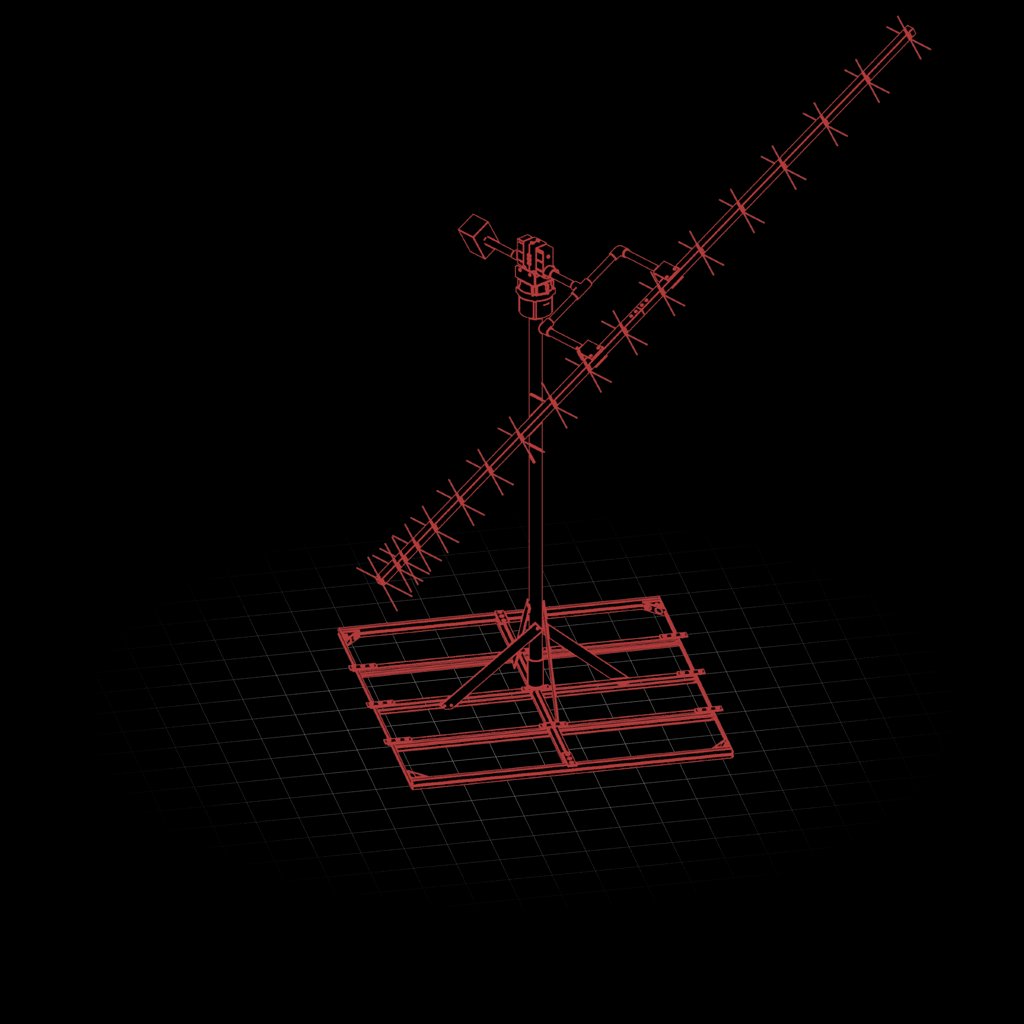
On co-op · Tesla Fremont · Through Aug 2026

Engineering
new solutions.

Mechanical Engineering at WashU — building production-line robotics, humanoid training systems, and physics-informed simulations that hold up in the real world.

10s
Cycle Time Reduced
$88K
OEM Cost Avoided
1000×
CFD Speedup (PINNs)
3.79
GPA · Dean's List
Featured Projects

Engineering Work

Click any project to expand — real drawings, CAD models, and research outputs.
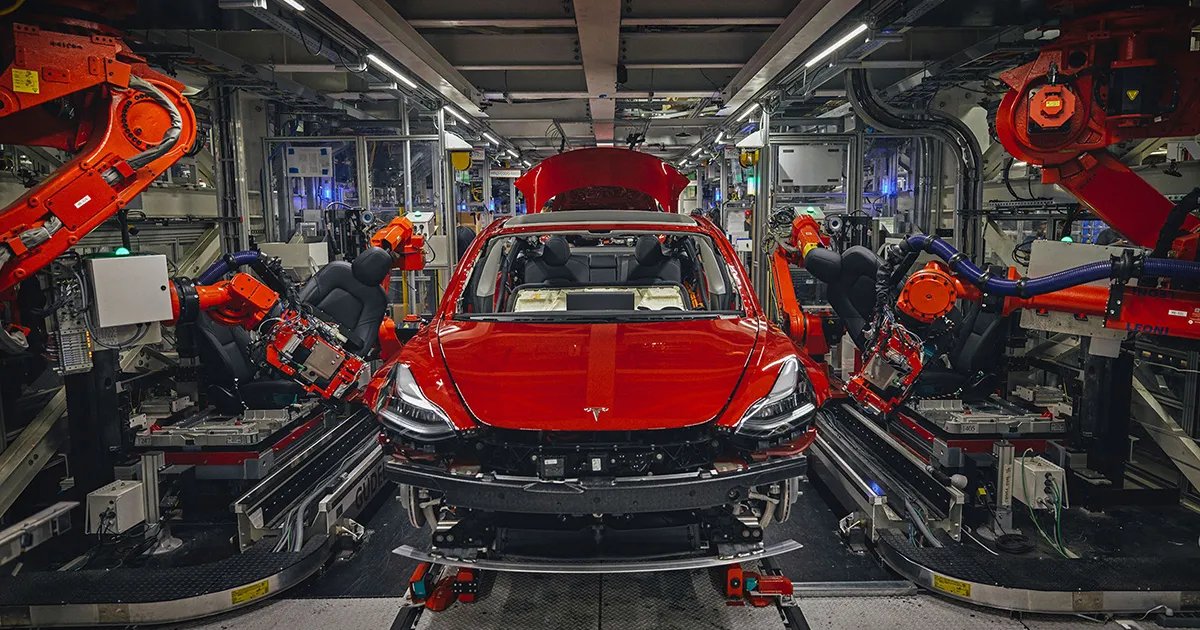
Tesla Model 3 BIW Production Line
01 — Featured · Tesla Fremont
Model 3 BIW Manufacturing Co-Op

Production-line robotics, TCP calibration fixture design, welding cell optimization, and EOAT redesign on the Model 3 Body in White line at Tesla Fremont.
↓ 10s cycle time (75→65s) $88K cost avoidance <0.25mm TCP correction
CATIA V5SolidWorksKUKA/FANUCSplunk/SCADAGD&TRoot Cause Analysis
What I Built
  • Designed a Go/No-Go calibration fixture — chamfered funnel + dowel-pinned L-bracket — resolving a recurring 2.5mm TCP deviation on Tucker stud welding gun swaps, achieving <0.25mm calibration variation and eliminating robot path reprogramming.
  • Re-sequenced a multi-robot spot welding cell to achieve a confirmed 10-second cycle time reduction (75s → 65s) locked into production program.
  • Reverse-engineered and designed 8 custom fixture clamps in CATIA V5 — avoiding $88,000 in OEM costs and reducing lead time from 10 months to internal machining time.
  • Redesigned EOAT with integrated pneumatic cylinders to dynamically realign parts during transfer, mitigating pick-up faults and reducing material drop rates.
  • Leveraged Splunk and SCADA to query real-time fault data across FANUC and KUKA robots — drove root-cause analysis and reduced recurring downtime events.
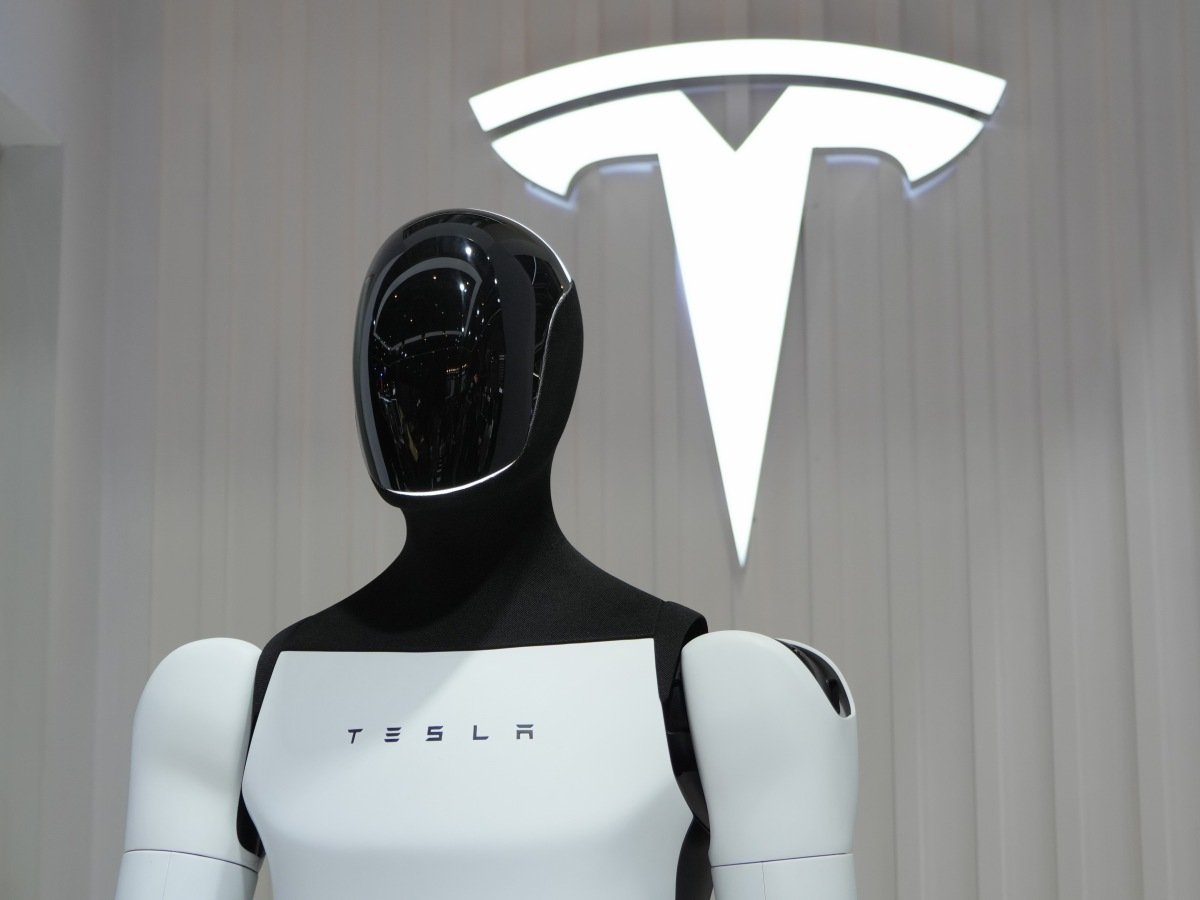
Tesla Optimus Humanoid Robot
02 · Tesla Fremont
Optimus Academy — Humanoid Robotics Training Facility

Led transformation of a legacy Model S/X production line into a 40-station humanoid robotics training academy. Floor plan, HRC cell design, safety systems specification.
AutoCADFacility DesignGuardLogix PLCSICK/KeyenceHRC Safety
What I Built
  • Led facility transformation of legacy Model S/X line into a 40-station humanoid robotics training academy for Optimus robot development.
  • Developed Phase 1 AutoCAD floor plan from legacy DWG files and on-site measurements; coordinated with architects for permitting sign-off.
  • Designed HRC cells with 36" maintenance and 48" pedestrian clearance zones, specifying 80/20 extrusion, light curtains, and SICK/Keyence scanners.
  • Mapped and preserved existing 480V drops, pneumatic lines, and GuardLogix PLC cabinets to eliminate safety logic reprogramming.
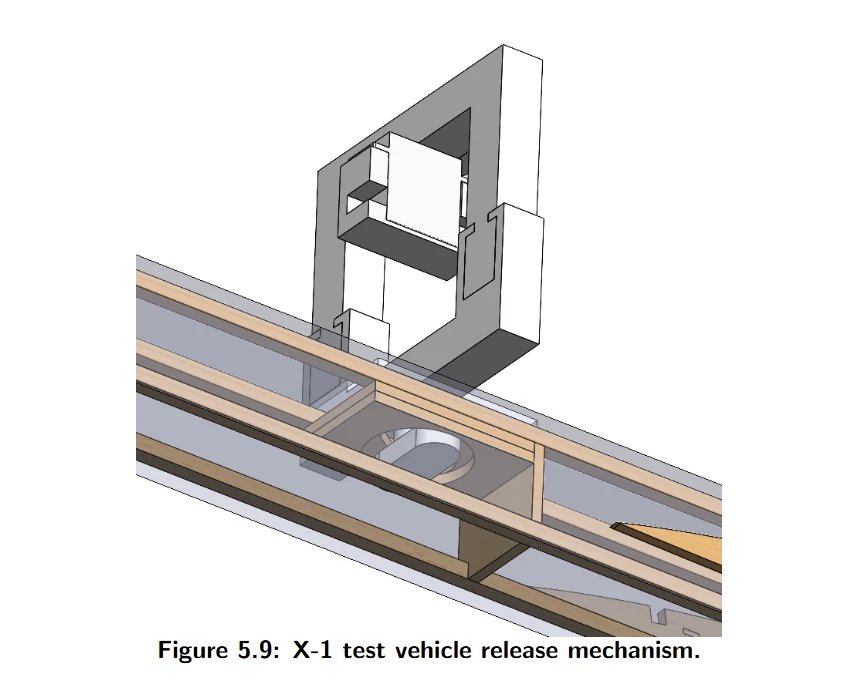
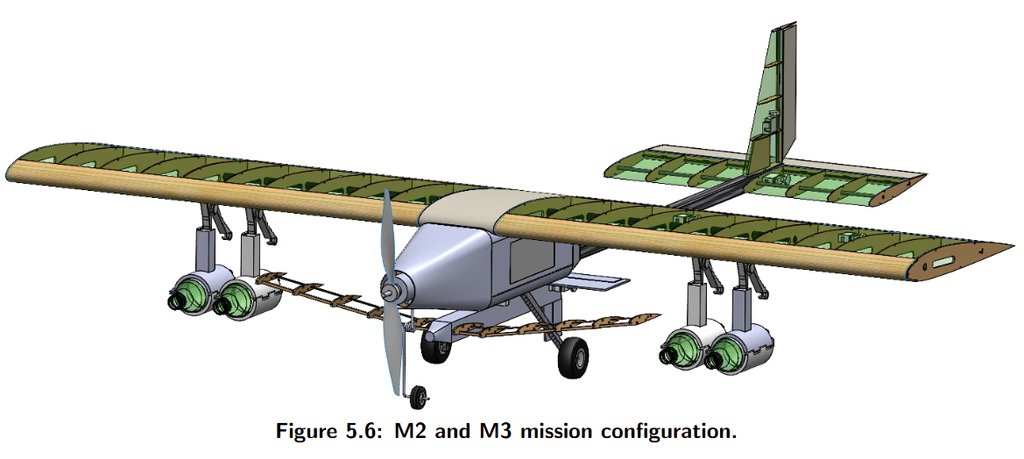
DBF M2/M3 Mission Configuration
03 · WashU AIAA
Design-Build-Fly Team

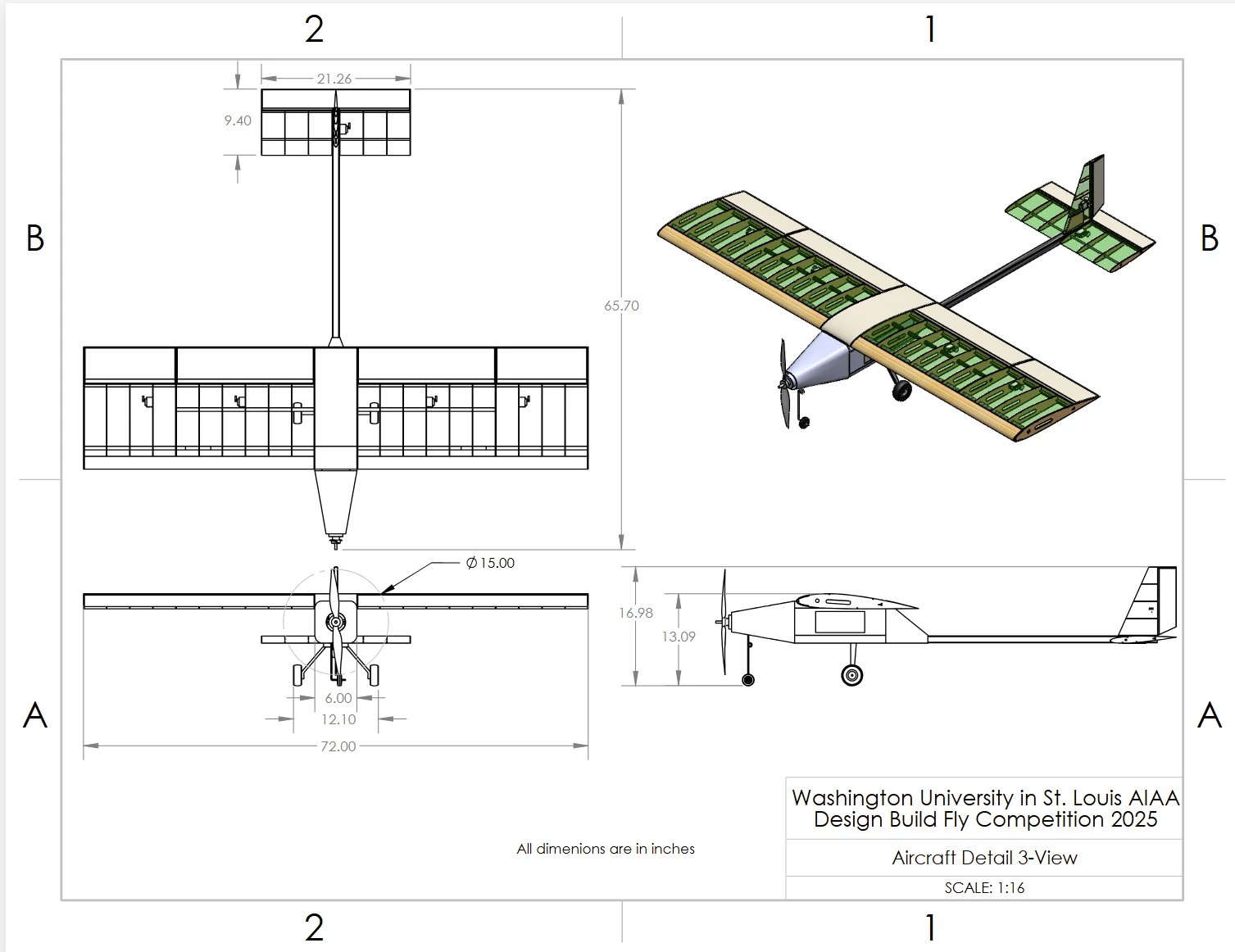
National aircraft design competition — composite airframe structures, FEA validation, and fabrication. 72" wingspan competition aircraft.
SolidWorksANSYS FEAComposite FabricationAircraft Design
What I Built
  • Designed load-bearing composite wing and fuselage structures in SolidWorks — 72" wingspan, full 3-view drawings at 1:16 scale.
  • Performed FEA in ANSYS to validate load paths and safety factors while optimizing for minimum takeoff weight.
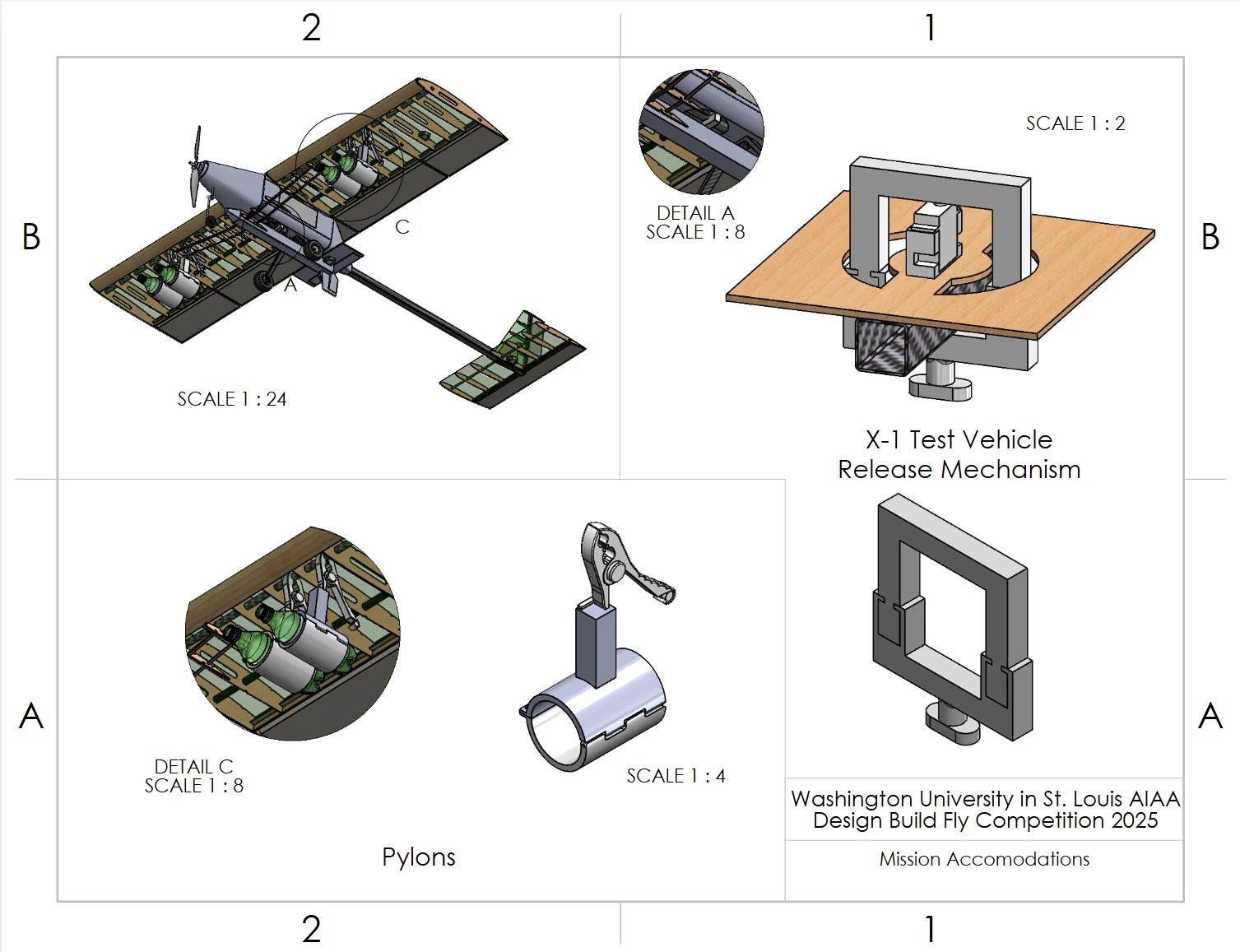
  • Designed the X-1 test vehicle release mechanism for in-flight payload deployment and pylon system for multi-mission integration.
  • Led fabrication and destructive testing of composite prototypes, correlating experimental data with FEA models.
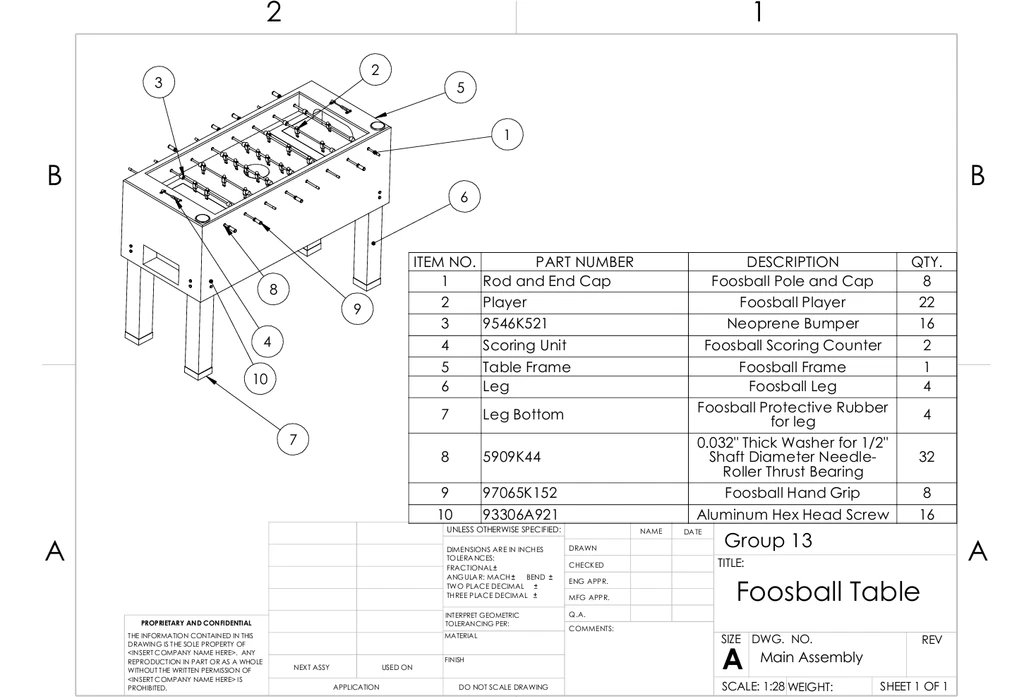
Foosball Table CAD
04 · CAD Projects
Computer-Aided Design Portfolio

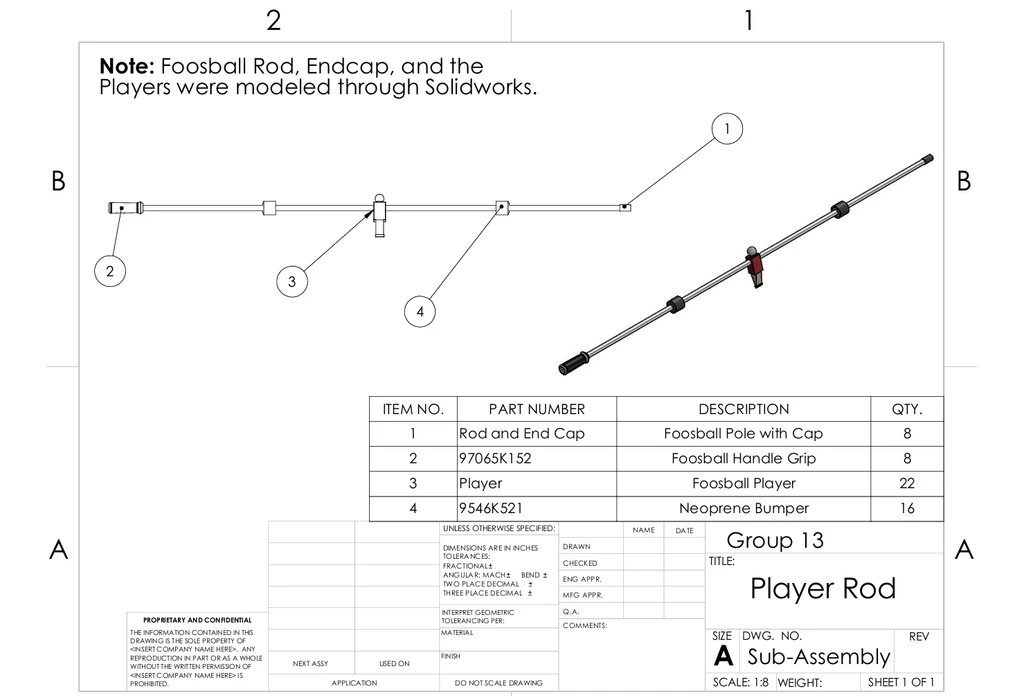
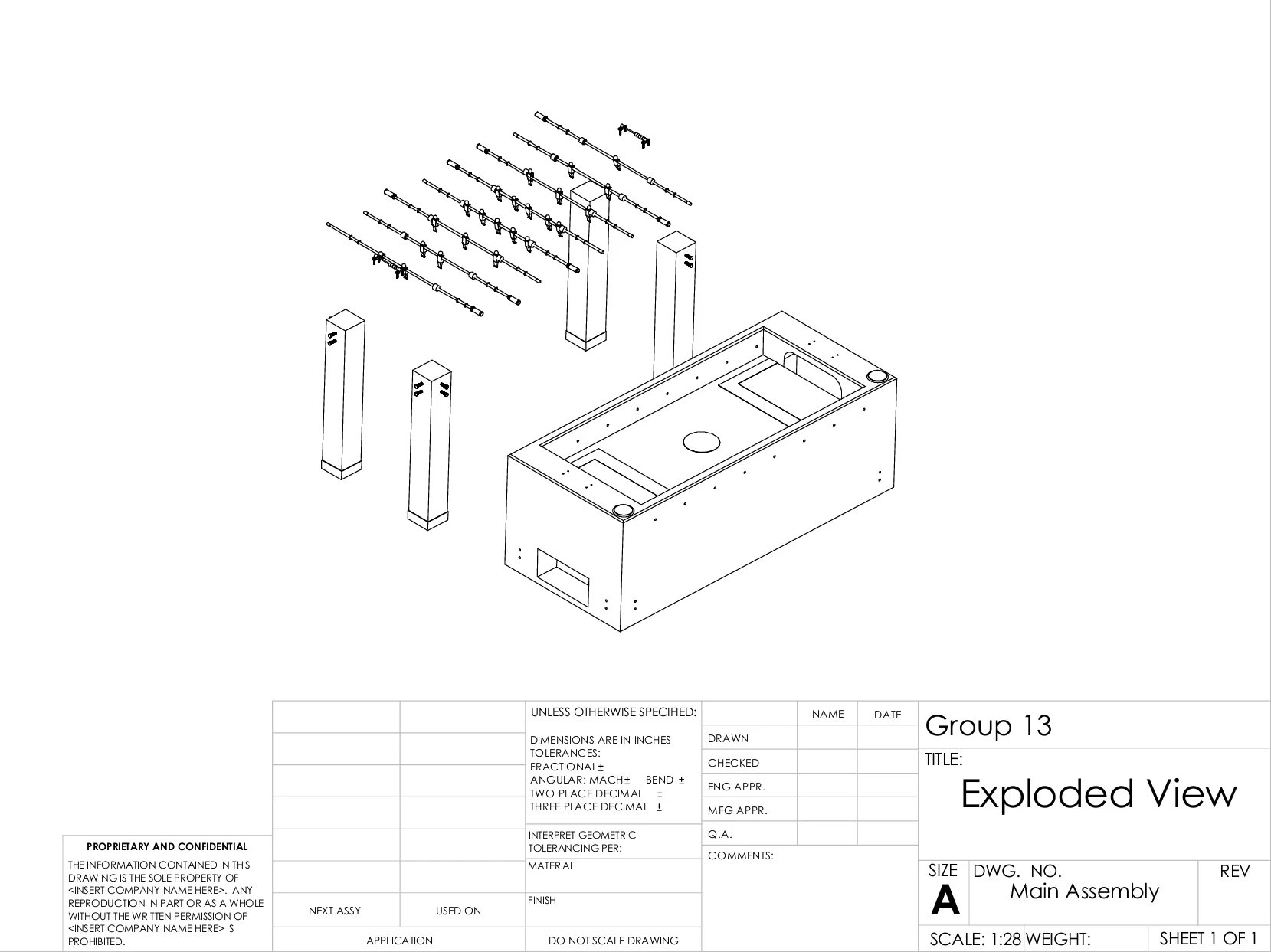
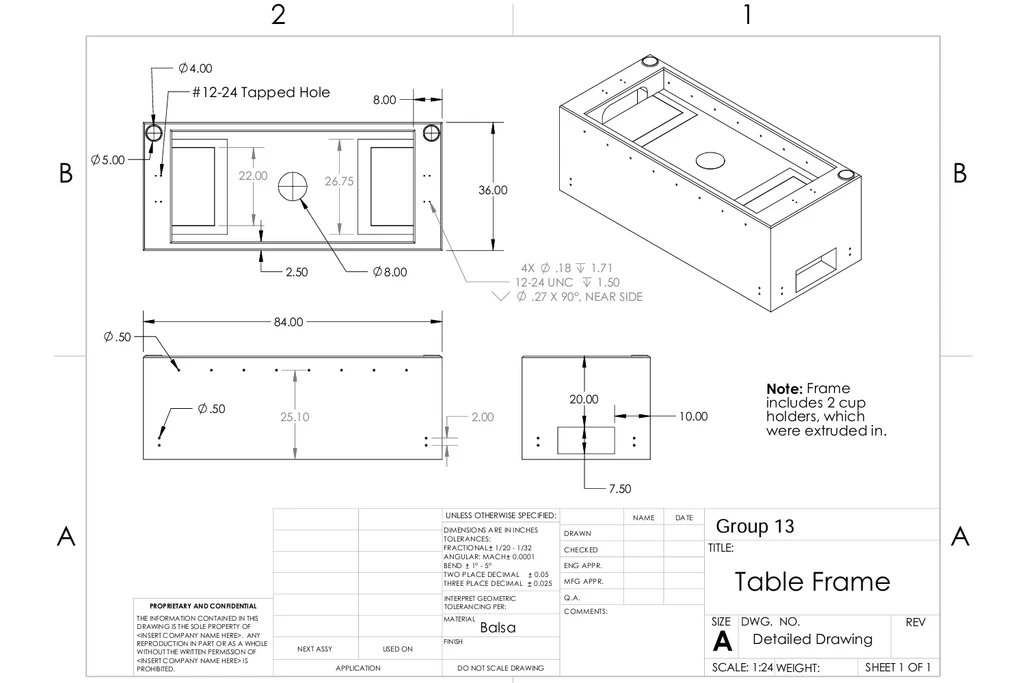
Full assembly, sub-assembly, detail drawings and exploded views per ASME Y14.5 GD&T standards. Foosball table full mechanical design.
SolidWorksGD&TTechnical DrawingsAssembly Design
What I Built
  • Full mechanical design of a foosball table — main assembly, exploded view, sub-assemblies, and detail drawings per ASME Y14.5 GD&T.
  • Designed and dimensioned the table frame (84" × 36"), player rod sub-assembly, and all 10 BOM line items with part numbers and quantities.
  • Applied proper tolerancing standards throughout; modeled all components in SolidWorks including standard hardware.
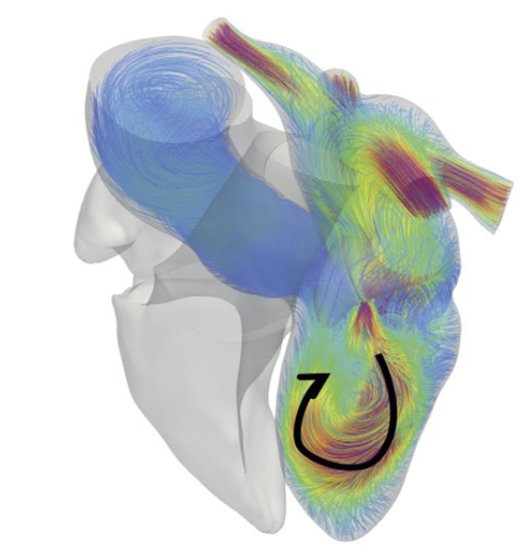
CFD Hemodynamic Simulation
05 · Computational Mechanics & AI Lab · WashU
CFD + Machine Learning — Hemodynamic Simulations

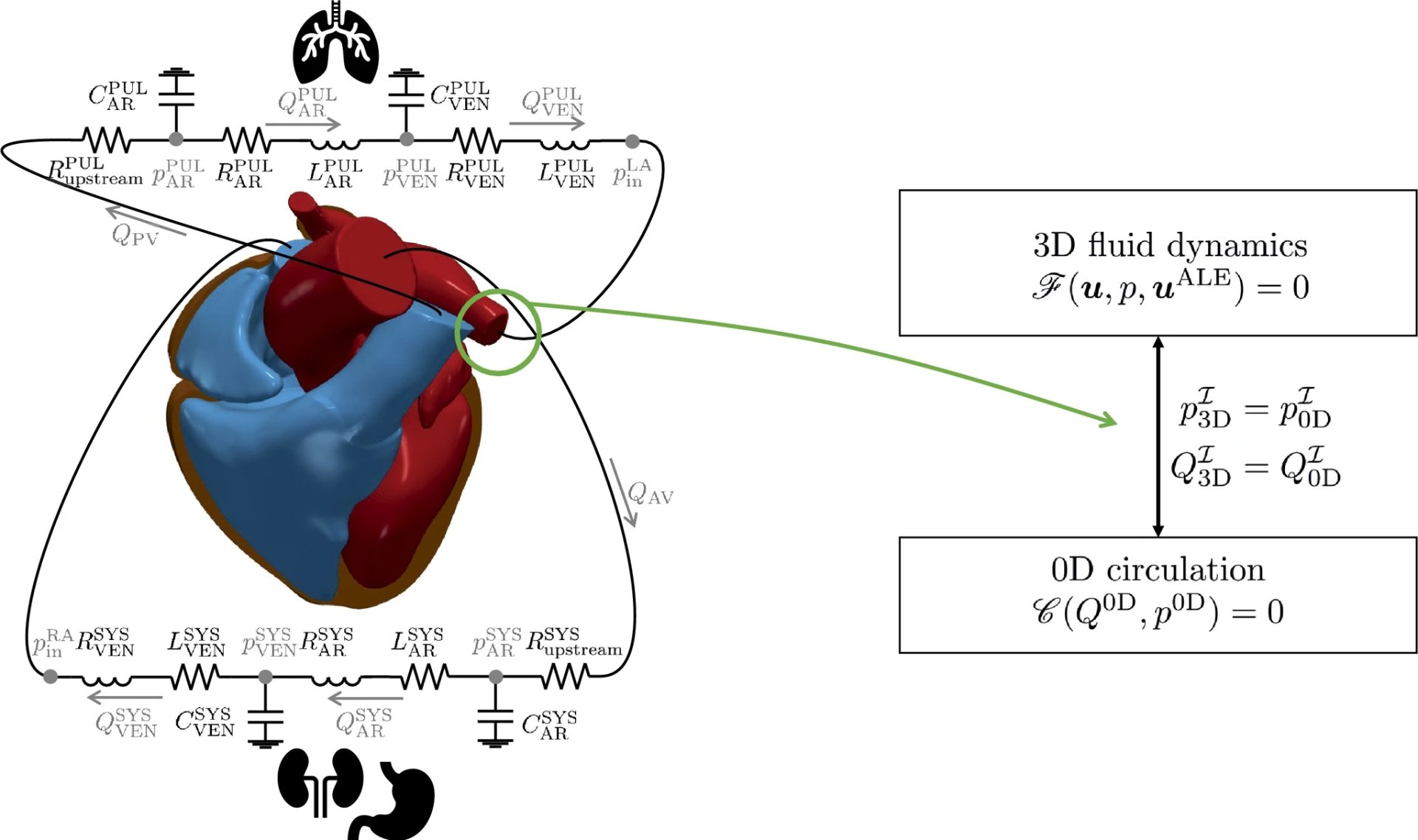
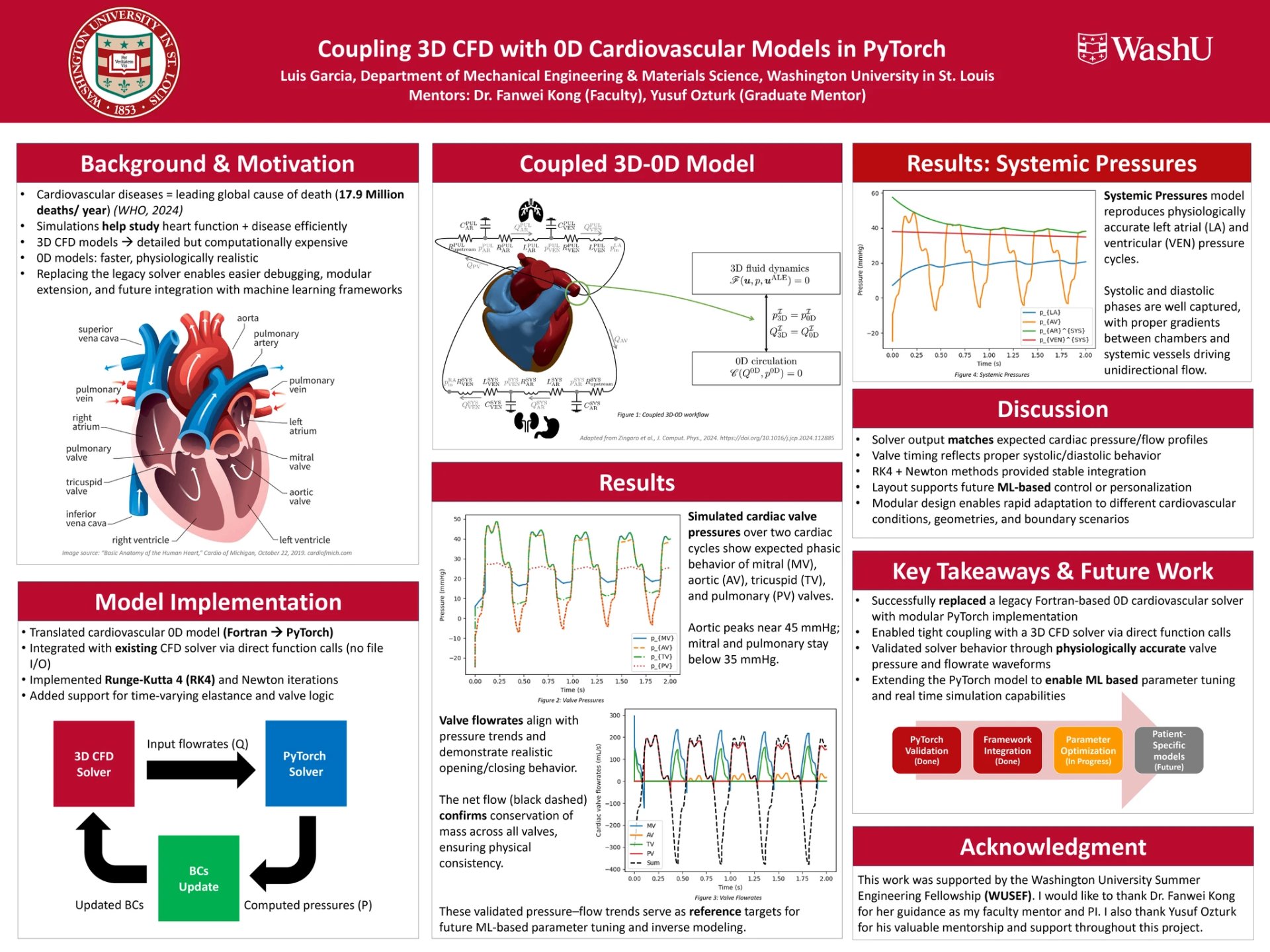
Physics-Informed Neural Networks (PINNs) in PyTorch for cardiovascular fluid simulations. Coupled 3D CFD with 0D cardiovascular models. 1000× speedup vs. traditional solvers. Presented at symposium.
1000× CFD speedup Symposium presentation
Python/PyTorchPINNsCFDRunge-KuttaFortran→Python
What I Built
  • Architected PINNs in PyTorch for hemodynamic simulations — 1000× reduction in simulation time vs. traditional CFD.
  • Coupled 3D fluid dynamics solver with a 0D cardiovascular circulation model for physiologically accurate pressure cycle reproduction.
  • Translated legacy Fortran solvers to Python — RK4 integrators, Newton iterations, time-varying valve logic.
  • Validated cardiac valve pressure waveforms against expected systolic/diastolic behavior; presented at WUSEF symposium.
WUSAT Satellite Mission Ops
06 · WashU Satellite · MOPS Team
CubeSat Mission Operations Engineering

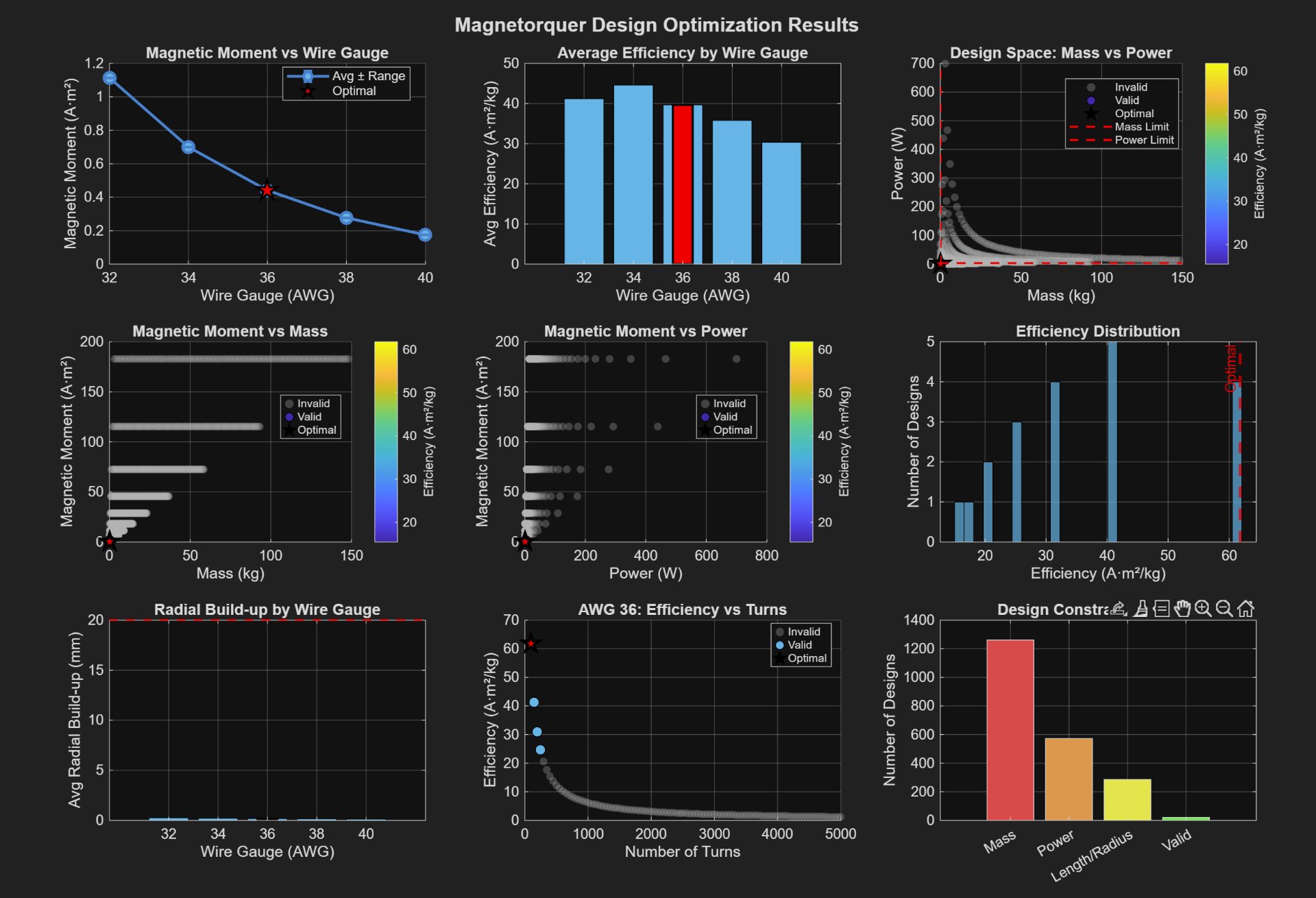
Full-mission simulations for CubeSat feasibility. Magnetorquer design optimization across wire gauges using MATLAB and ModelSpace (ATTX).
ModelSpace (ATTX)MATLABSystems EngineeringCubeSat
What I Built
  • Full-mission simulations using ModelSpace (ATTX) to evaluate CubeSat feasibility and support spacecraft operations planning.
  • Magnetorquer design optimization — sweeping AWG 32–40 for magnetic moment, mass, and power trade-offs; identified AWG 36 as optimal.
  • Generated design space plots mapping valid/invalid/optimal configurations across mass, power, and geometry constraints.
About

Who I Am

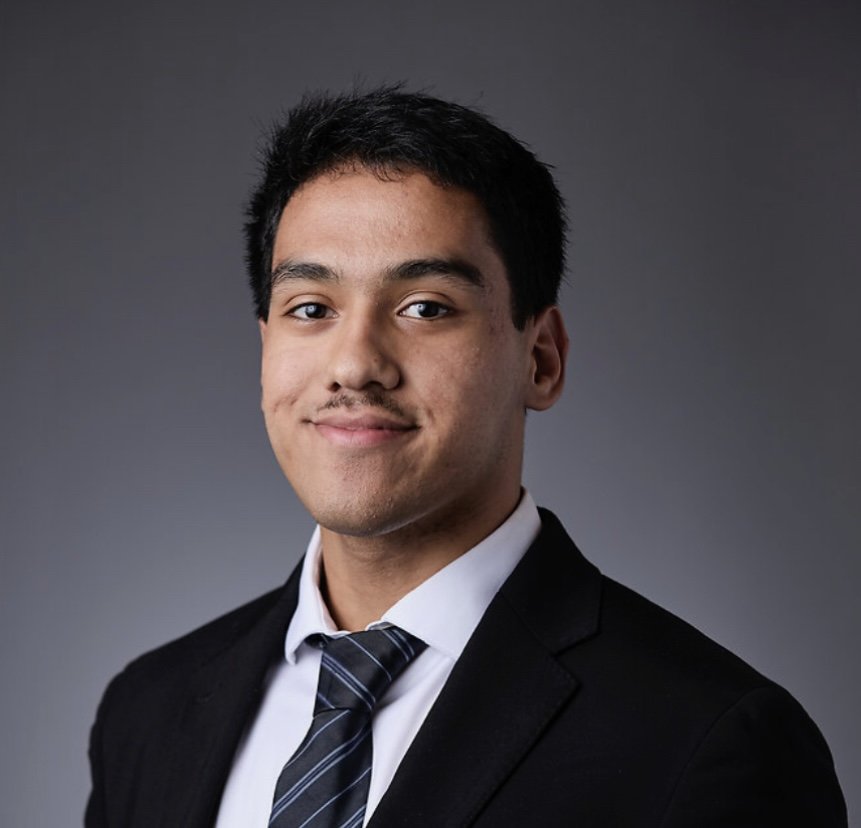
Luis Garcia
Available Aug 2026

Mechanical Engineering student at Washington University in St. Louis (McKelvey School of Engineering, Minors in Robotics & Mechatronics and Aerospace Engineering, expected Dec 2027). GPA: 3.79 · Dean's List · HSF Scholar.

Currently on extended co-op at Tesla Fremont through August 2026 — running two concurrent engineering projects: Model 3 BIW production line optimization and the Optimus Academy humanoid robotics training facility.

My approach is physics-first. I care about designs that are manufacturable, measurable, and maintainable — not just functional on paper.

HSF Scholar CSWA — SolidWorks McKelvey School Dean's List U.S. Citizen
Download Resume
Capabilities

Technical Skills

Design & CAD
CATIA V5
SolidWorks (CSWA)
AutoCAD
GD&T / DFM
3D Printing
Machining (Lathe/Mill)
Data & Programming
Python (PyTorch, NumPy, Pandas)
MATLAB
Splunk / SCADA
C++ / Arduino
OEE / RCA / DOE
Linux
Simulation & Analysis
ANSYS (FEA / CFD)
Physics-Informed Neural Networks
ModelSpace (ATTX)
Thermodynamics
Numerical Methods
Automation & Controls
KUKA / FANUC Robotics
Allen-Bradley GuardLogix PLC
SICK / Keyence Sensors
Light Curtains / Pneumatics
Composite Fabrication
Embedded Systems
Experience

Work History

Manufacturing Equipment Engineer Co-Op
Tesla · Fremont, CA
Jan 2026 – Aug 2026
+
Project 1 — Model 3 Body in White (BIW)
  • Designed Go/No-Go calibration fixture achieving <0.25mm TCP deviation correction, eliminating robot path reprogramming.
  • Re-sequenced welding cell: 10s cycle time reduction (75→65s) locked into production.
  • Designed 8 custom CATIA V5 fixture clamps — $88K cost avoidance, lead time from 10 months to internal machining.
  • Leveraged Splunk and SCADA for real-time fault querying and root cause analysis.
  • Redesigned EOAT with pneumatic cylinders to reduce material drop rates.
Project 2 — Optimus Academy
  • Led facility transformation into 40-station humanoid robotics training academy.
  • Developed Phase 1 AutoCAD floor plan; coordinated with architects for permitting sign-off.
  • Designed HRC cells specifying 80/20 extrusion, light curtains, SICK/Keyence scanners, GuardLogix PLCs.
Mission Operations Engineer
WashU Satellite (WUSAT) · MOPS Team
Sep 2025 – Present
+
  • Full-mission simulations using ModelSpace (ATTX) for CubeSat feasibility and design trade studies.
  • Magnetorquer design optimization — AWG 32–40 sweep for magnetic moment, mass, and power trade-offs.
  • Collaborating with interdisciplinary subteams to ensure system-wide model accuracy.
Undergraduate Researcher
Computational Mechanics & AI Lab · WashU
May 2025 – Aug 2025
+
  • Architected PINNs in PyTorch — 1000× reduction in simulation time vs. traditional CFD.
  • Translated legacy Fortran solvers to Python with RK4 integrators and Newton iterations.
  • Presented findings at WUSEF symposium.
Structures Engineer
WashU Design/Build/Fly · AIAA
Aug 2024 – Present
+
  • Composite structures in SolidWorks; ANSYS FEA for safety factors and minimum takeoff weight.
  • Fabrication and destructive testing of composite prototypes correlated with FEA models.
  • Designed X-1 release mechanism and pylon system for multi-mission payload integration.
Contact

Let's Connect

Open to full-time roles after August 2026 — manufacturing systems, robotics, aerospace engineering.